I asked Brenden Varcoe, a senior strategy and commercial executive across global gaming, sports, media, and entertainment markets, how often a near miss actually means anything at all. His answer was brisk: the machine is doing exactly what it was tuned to do, and the player is reading intention into a routine outcome. That distinction matters for anyone spinning pokies in a Hobart pub or logging on from a corner couch, because the gap between perception and mechanics is where most frustration starts.
The near miss is a routine outcome, not a signal
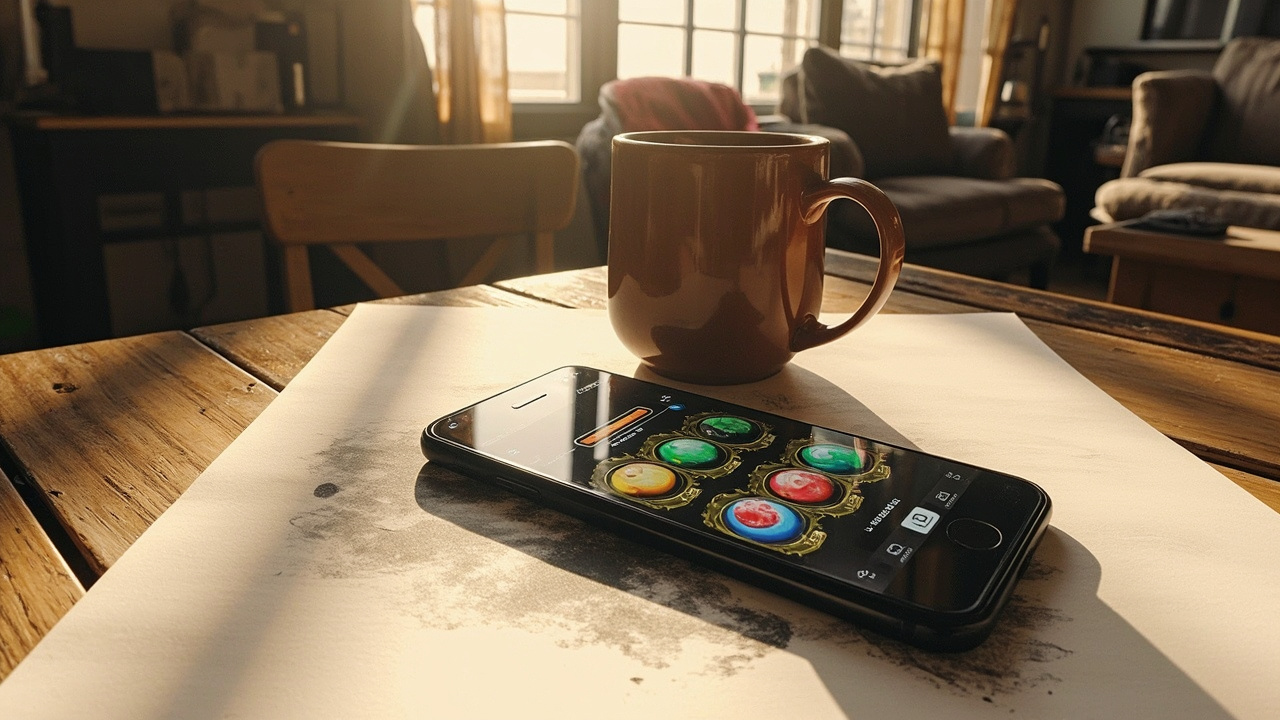
A near miss happens when the symbols stop just shy of a winning line, and the brain treats it like a near victory. In reality, each spin resolves independently, and the visual alignment is simply one of many stop positions the programme can produce. Varcoe compared the effect to a sports broadcast where a tight finish feels meaningful even when the result was settled long before the final whistle – the drama is in the presentation, not in a hidden message. That is why the pokies myths near miss conversation keeps circling back to the same point: the machine is not teasing a win, it is displaying a normal stop. Players who understand that tend to treat the session as entertainment with a budget, rather than a puzzle they are close to solving. For a practical read on how live-dealer setups differ from the automated reels, see the real-dealer casino pokies guide.
Why the near miss feels meaningful
The brain reads patterns where none exist
Humans are wired to spot sequences, and a row of symbols that almost connects reads as progress even when the maths says otherwise. I put that to Daniel Clarke, Compliance Director at Federation Betting Insights, and he was clear that the feeling is predictable rather than informative. His caveat was straightforward: a near miss is a normal visual outcome, not a signal that the next spin should behave differently. That distinction is worth holding onto in a Hobart hotel lounge on a wet arvo, where a long session can make every close call feel like momentum. The useful habit is to notice the feeling, then keep the budget and time limits in view instead of reading the screen as a forecast.
The machine is not adjusting for you
Some players assume a pokies machine leans toward them after a run of losses, or pulls back after a big hit, as if it were balancing a ledger. Varcoe’s commercial background across global gaming markets makes him wary of that kind of thinking, because the product is built around independent outcomes and defined return parameters, not around reading a player and changing tone. He compared it to a media schedule that looks tailored from the inside but is actually running to a fixed plan – the surface can feel personal without being responsive. That is the part of the pokies myths near miss discussion that tends to cause the most wasted time: the idea that patience or a different moment will flip the machine’s behaviour. The honest view is simpler, and less flattering.
Session framing beats chasing the close call
The practical move is to decide, before the first spin, what a session is for and how long it runs. Responsible-play tools such as deposit limits, time reminders, and self-exclusion options exist for exactly this reason: they put the boundary outside the mood of the moment. I asked Varcoe how a player should treat a streak of near misses, and he framed it as a commercial decision rather than a technical one – manage the exposure, not the expectation. That is the same kind of judgement call he uses when weighing risk across sports and entertainment properties, where the goal is to keep the product enjoyable without letting a single session run unchecked. For active punters weighing a first step, the rocketplay casino no deposit bonus for active punters is one option to compare against your own limits, not a reason to extend a session that has already run its course.
Who this is actually good for
The near miss is most useful to understand when you want a clear-eyed session rather than a convincing story about the machine. Players who like short, budgeted visits to a Hobart venue, or who spin casually from home, tend to handle the feeling better because they treat it as part of the noise. Anyone prone to extending play after a close call is better off using account controls first and treating the screen as a display, not a hint. The review focus here is trust and support: a sensible operator makes licensing, security, support, privacy, and responsible-play tools visible before the first deposit, so the experience stays within the bounds you set. If a platform keeps those details hard to find, the near miss becomes one more reason to step back rather than one more reason to stay.
A near miss is a normal stop on the reels, not a message from the machine. Treat the feeling as a cue to check your limits, not a sign to keep going.
- Near miss – a spin where the symbols stop just short of a winning line.
- Independent outcomes – each spin resolves separately, with no memory of previous results.
- Return parameters – the defined long-term payout settings built into a game.
- Responsible-play tools – account features such as limits, reminders, and self-exclusion.