How to Fax the IRS: A Practical Step‑by‑Step Guide
Why Fax Still Matters for the IRS
Even in a digital age, the Internal Revenue Service (IRS) continues to accept faxed documents for many filing situations. Certain forms, such as amended returns, fraud‑related submissions, and specific hardship requests, must be sent by fax to ensure a secure, time‑stamped transmission.
Understanding the role of fax helps taxpayers avoid delays caused by missed electronic submissions. For businesses that rely on legacy accounting software, fax can be a reliable fallback when electronic portals are unavailable or undergoing maintenance.
Preparing Your Documents Before You Fax
The success of your fax depends on the quality and completeness of the documents you send. Start by gathering every required form, supporting schedules, and any written explanations the IRS asks for. Double‑check that all fields are filled out accurately and that signatures are present where needed.
Next, convert paper forms to a clear PDF or high‑resolution image. Avoid scanning at low DPI, as illegible text can be rejected. If you’re faxing multiple pages, label them sequentially (e.g., “Page 1 of 3”) to keep the IRS filing organized.
Finding the Correct IRS Fax Number
The IRS maintains separate fax numbers for different departments, such as the Income Tax Return Unit, the Centralized Processing Center, and the Identity Protection Specialized Unit. Using the wrong number can result in processing delays or lost documents.
Below is a quick reference table that lists the most frequently used fax numbers. Always verify the number on the official IRS notice you received before sending.
| Department / Purpose | Fax Number | Typical Use Cases |
|---|---|---|
| Income Tax Return Unit | 800‑829‑1040 | Amended returns (Form 1040X), corrections |
| Centralized Processing Center | 855‑214‑7520 | Form 843 (Claim for Refund), hardship requests |
| Identity Protection Specialized Unit | 800‑829‑4477 | Identity theft reports, Form 14039 |
| Business & Self‑Employed Services | 800‑829‑1041 | Forms 941, 944, and related schedules |
For the most up‑to‑date numbers, refer to the official IRS website or the specific notice you received. If you’re unsure, you can call the IRS helpline for verification.
How to Send a Fax from a Traditional Fax Machine
Using a physical fax machine remains a straightforward option for many offices. First, place the documents in the feeder, ensuring they’re oriented correctly. Then dial the appropriate IRS fax number, add a cover sheet if required, and press “Send.”
After transmission, the machine will print a confirmation page showing the date, time, and number of pages faxed. Keep this receipt in your records; it serves as proof of submission should the IRS request verification later.
Faxing the IRS with a Mobile Phone
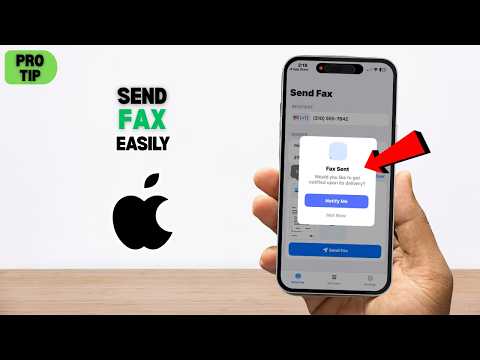
Modern smartphones can act as fax machines using dedicated apps or built‑in carrier services. On an iPhone, open the fax app, attach the PDF, enter the IRS fax number, and hit “Send.” Your phone will generate a transmission report that you should save.
Many users find the convenience of sending a fax directly from their phone especially helpful when they’re away from the office. A short instructional video is typically displayed below the hero image to demonstrate the exact steps. This visual guide walks you through downloading a reputable fax app, preparing a document, and confirming delivery.
Sending a Fax via Online Fax Services
Online fax services such as eFax, MyFax, and FaxZero provide a secure web‑based platform that eliminates the need for hardware. After creating an account, you upload your document, choose the IRS fax number from the list, and send. Most services offer a delivery receipt via email.
Key benefits include:
- Scalability – send multiple faxes simultaneously.
- Security – encrypted transmission and storage.
- Integration – some services connect directly with cloud storage (Google Drive, Dropbox).
When selecting a provider, consider pricing (pay‑per‑fax vs. monthly plans), the maximum page limit per fax, and the availability of a US‑based support team.
Common Mistakes and How to Avoid Them
Even experienced filers can slip up. The most frequent errors include sending to the wrong fax number, omitting required signatures, and using low‑quality scans that the IRS cannot read.
To prevent these issues:
- Double‑check the fax number against the latest IRS notice.
- Verify that every page is clear and legible before sending.
- Include a cover sheet that summarises the purpose of the fax.
- Save the transmission receipt and compare the page count with your original document.
Tracking and Confirming Receipt by the IRS
After you’ve faxed the IRS, you’ll want to know whether they actually received your documents. Most fax machines and online services provide a “Delivery Confirmation” or “Transmission Report” that indicates successful receipt.
If you did not receive a confirmation, you can call the IRS help line referencing the date, time, and fax number used. For critical filings, it’s wise to follow up with a written acknowledgment request using certified mail, ensuring you have a backup proof of delivery.
Frequently Asked Questions (FAQ)
Can I fax the IRS without a fax machine?
Yes. Mobile apps and online fax services let you send faxes directly from a computer or smartphone, eliminating the need for hardware.
How long does it take for the IRS to process a fax?
Processing times vary by department and the complexity of the request, but most faxes are entered into the system within 1‑3 business days after receipt.
Is faxing secure?
Fax transmission is point‑to‑point and provides a record of when the document was sent. However, for highly sensitive data, consider using an encrypted online fax service that adds an extra layer of security.
Do I need a cover sheet?
A cover sheet is not always required, but it helps the IRS route your fax quickly. Include your name, taxpayer identification number, and a brief description of the attached documents.
Leave a Reply